16. TURTLES
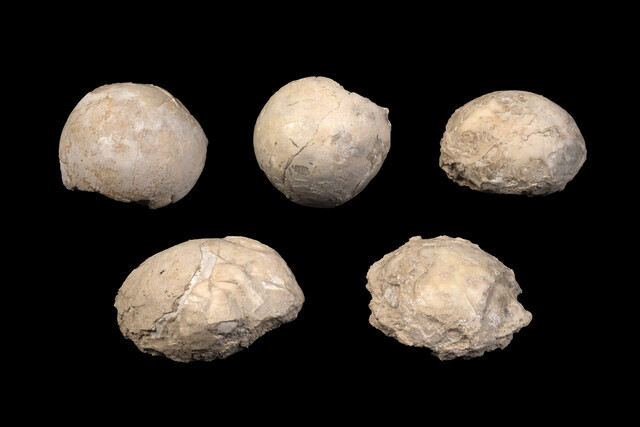
The large number of turtle fossils demonstrates that giant turtles in Madrid were in abundance during the Miocene.
The iberian turtle fossil record is one of the most abundant and diverse in Europe. The warm climatic conditions of the Iberian Peninsula during the Miocene favoured the development and diversification of several turtle groups, some of which form part of the current turtle fauna in Europe.
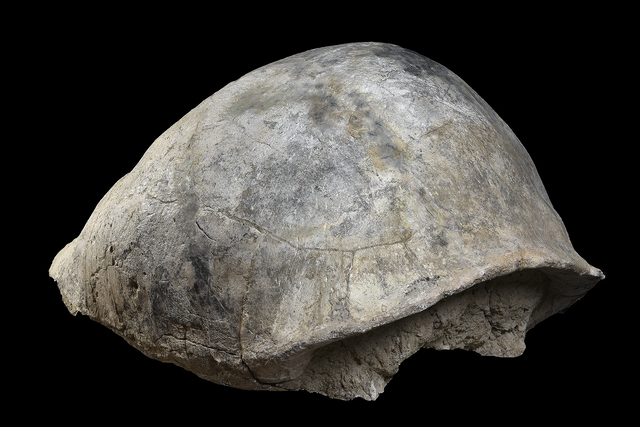
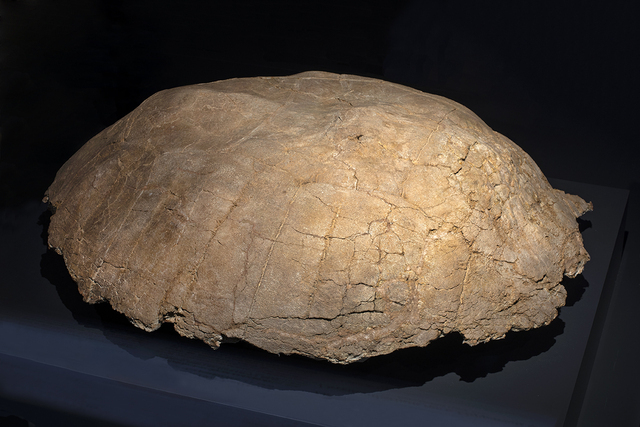
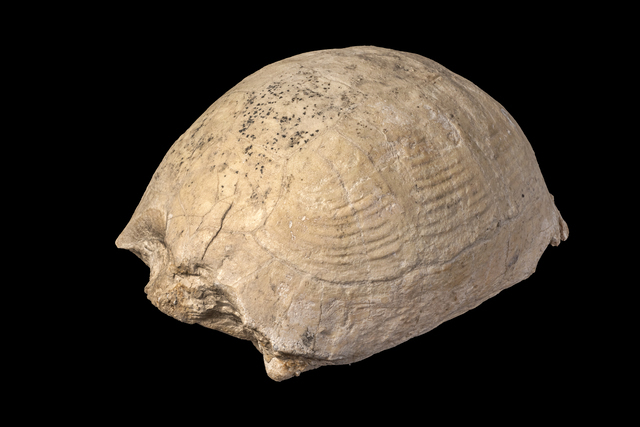
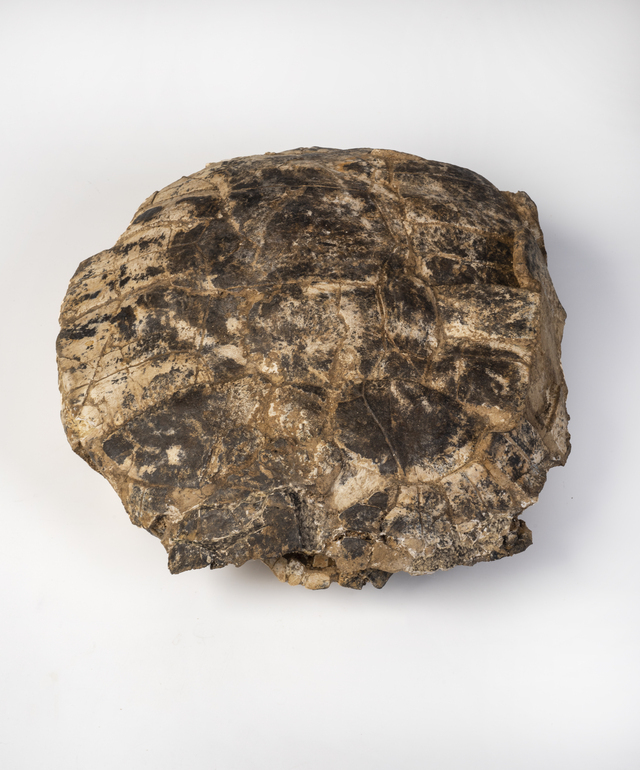
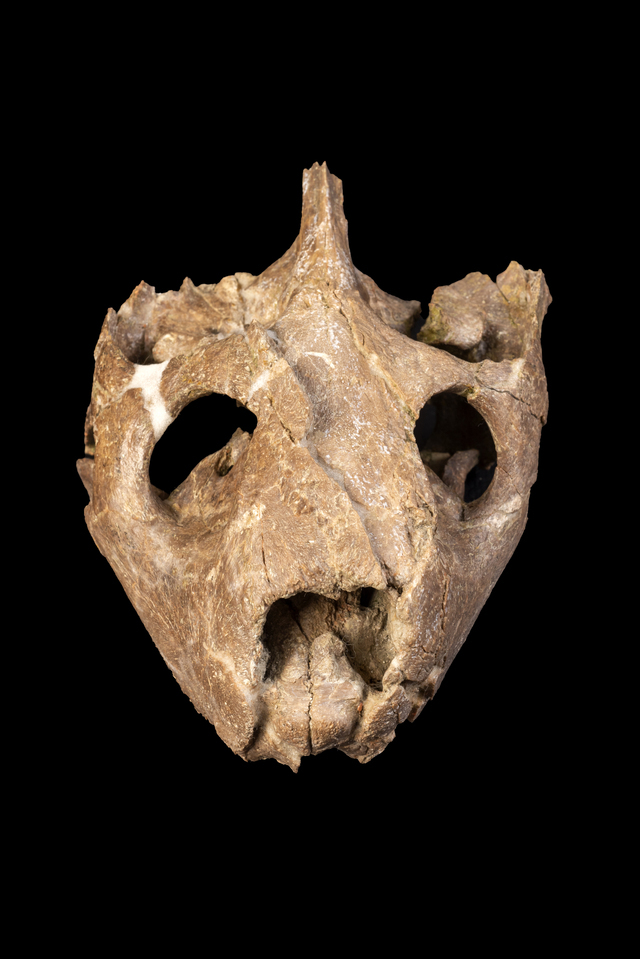
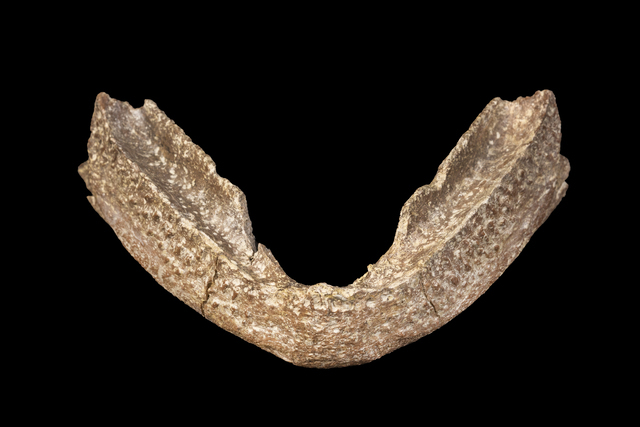
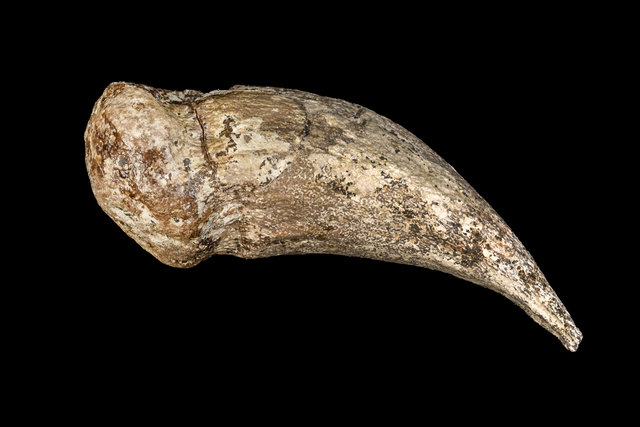
During the Miocene, land turtles were very abundant. Two forms have been identified in the Madrid fauna: Palaeotestudo, a small turtle (with a shell/ carapace measuring no more than 20 cm in length), and the giant Titanochelon, which could reach 2 metres in length. This turtle survived for more than 15 million years, becoming extinct shortly before the arrival of humans in Europe. Aquatic turtles (terrapins) are also found, but they are more rare and, therefore, less well known.
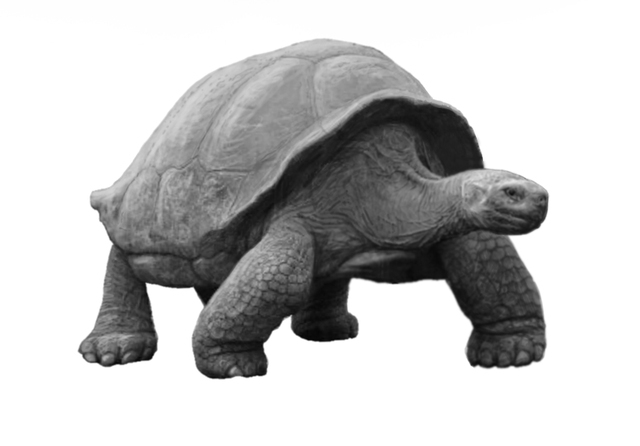 Genus: Titanochelon
Species: Titanochelon bolivari
Carapace height: up to 1 m
Period: Miocene-Pliocene
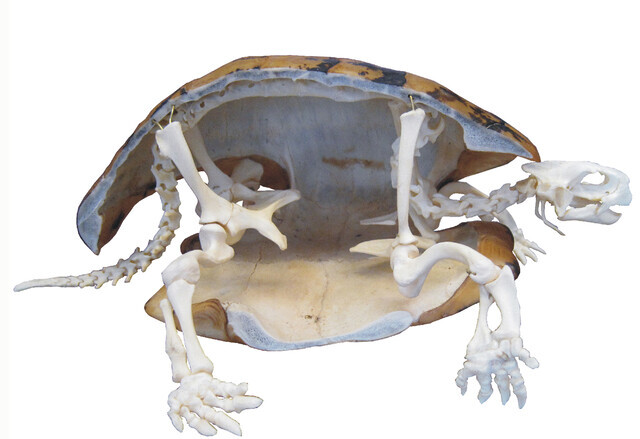 Specimen of the current small Iberian testudinid Chersine hermanni, whose morphology could be close to one of the recognised forms of turtles from the Miocene in Madrid.