
3. MADRID DURING THE PALAEOZOIC AND MESOZOIC (545 – 251 MILLION YEARS AGO)
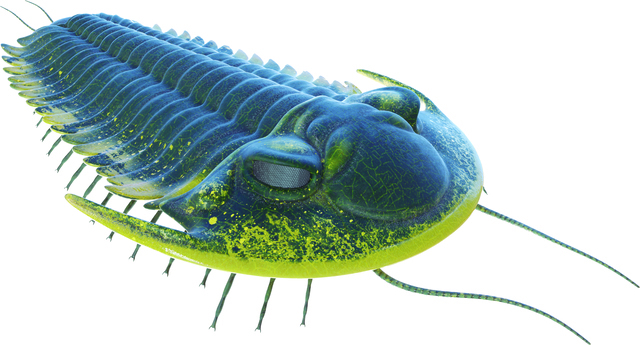
The oldest fossil remains in Madrid belong to highly diverse groups of invertebrates, such as trilobites, molluscs, and graptolites. They appeared in the Middle Ordovician, between 470 and 460 million years ago. They are found in materials that were strongly affected by the Hercynian orogeny, a period of intense geological activity with mountain uplift that occurred during the Carboniferous Period, at the end of the Palaeozoic Era (between 325 and 280 million years ago). During this period, a primitive mountain range formed in Madrid, comprising significant granite, slate, and quartzite deposits.
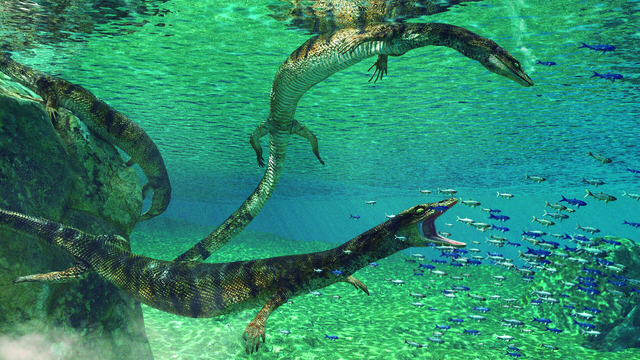
During the following 200 million years, the Madrid region was exposed to erosion, and the relief gradually softened. In the middle of the Upper Cretaceous (between 106 and 88 million years ago), the already eroded Palaeozoic rocks were invaded by the sea, which reached large areas of the interior of the Iberian Peninsula. In what is now the northwestern area of the province of Madrid, large marine platforms with coral and rudist (bivalve) reefs developed. Resedimented fossils of Cretaceous marine organisms (such as sharks, rays, and marine reptiles) have also been found in Pleistocene paleontological sites, in what is now the Sierra de Madrid.
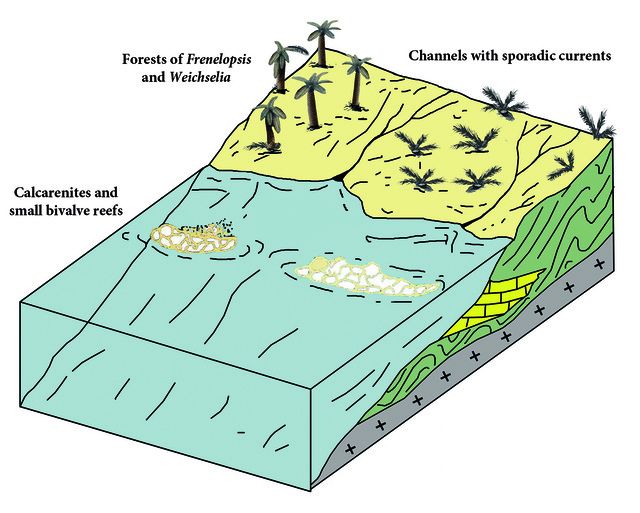
The Cretaceous deposits in the Sierra de Madrid reveal the existence of a subtropical environment along the coast, with reefs formed by rudist bivalves, and coastal areas covered with abundant vegetation, and traversed by channels of sporadically flowing water currents.
Illustration: based on O. Sanisidro
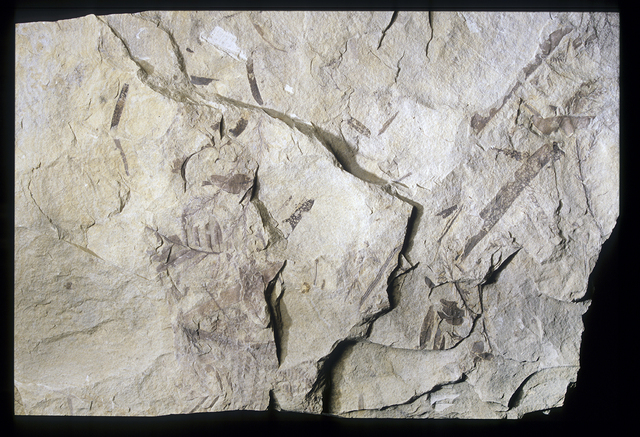 Plant impressions
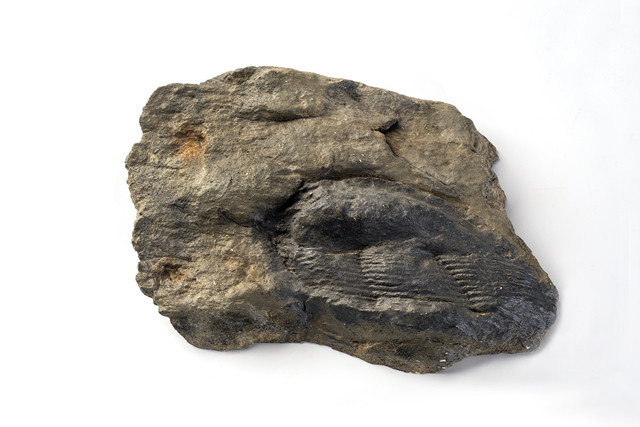
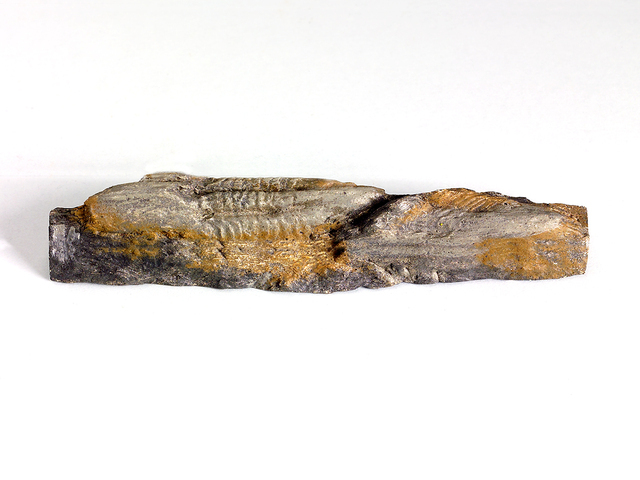 1- Ectillaenus giganteus
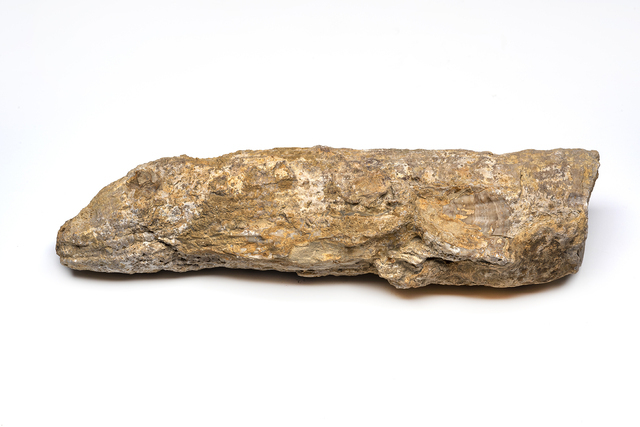 2- Rudist
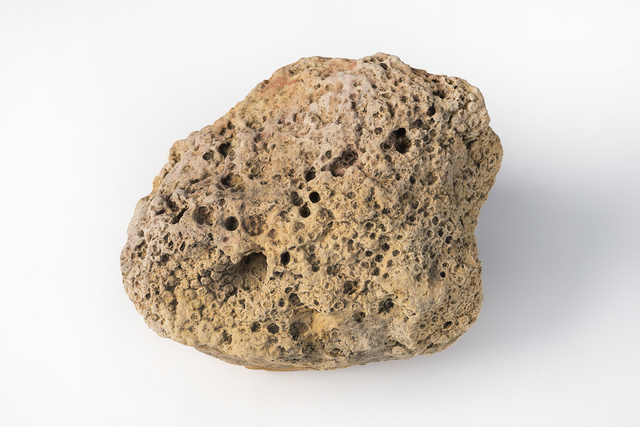 3- Solitary and colonial coral skeletons
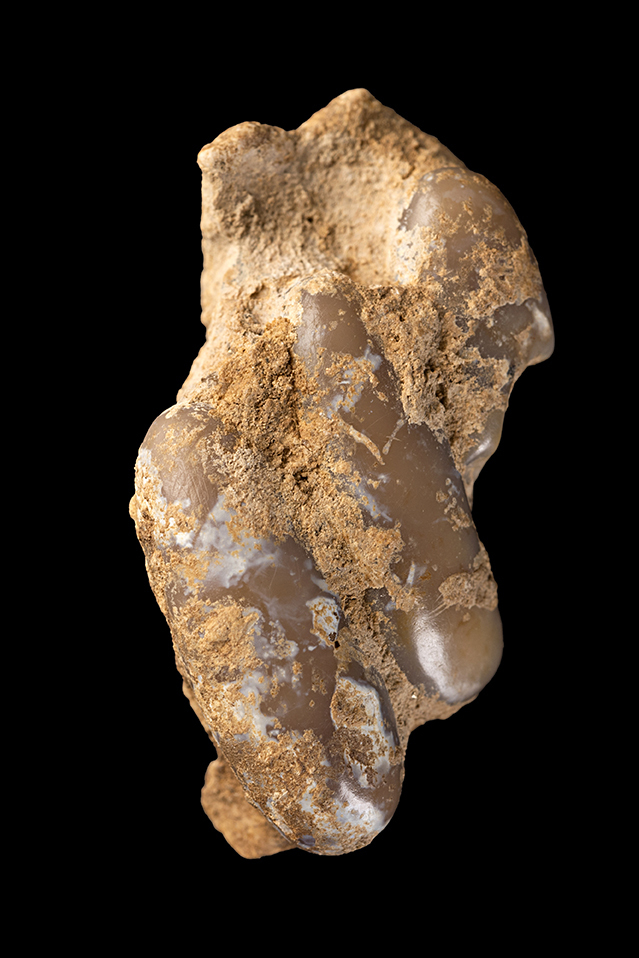
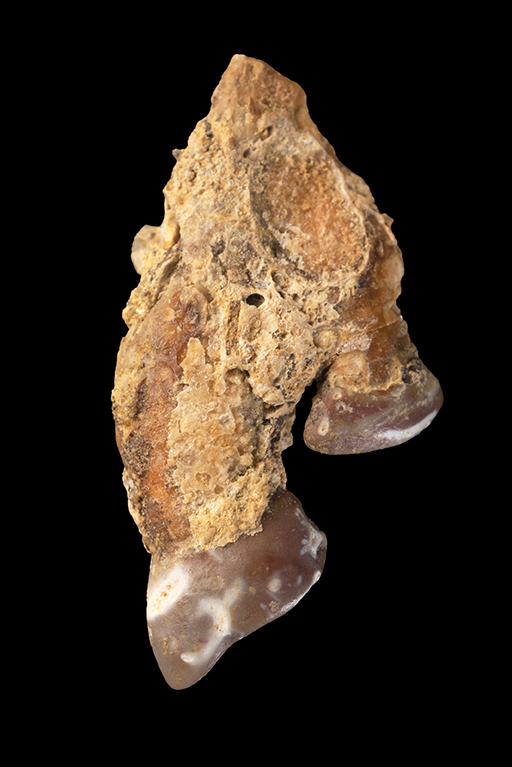
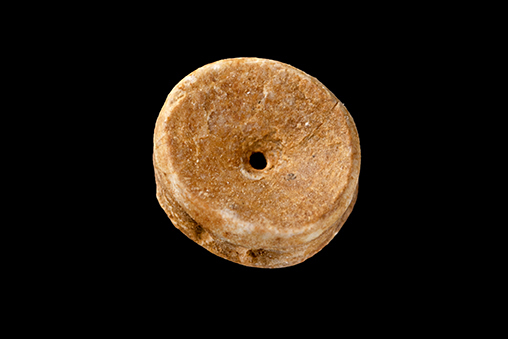
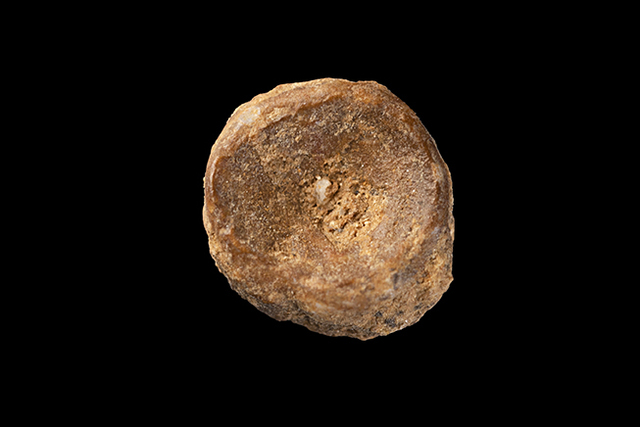 4- Teeth and vertebrae of bony fish
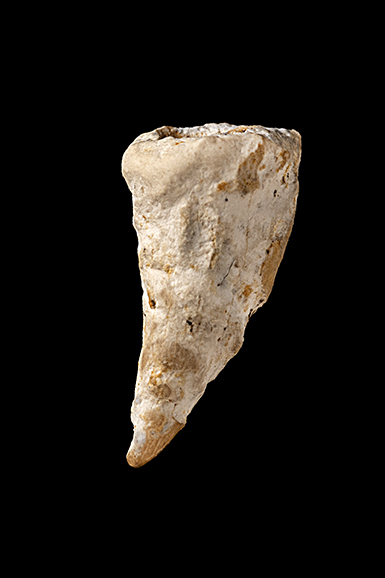
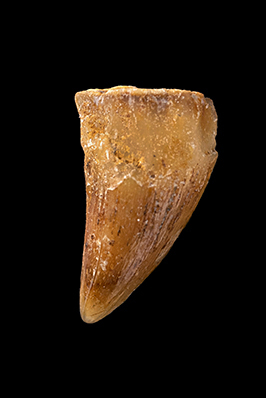
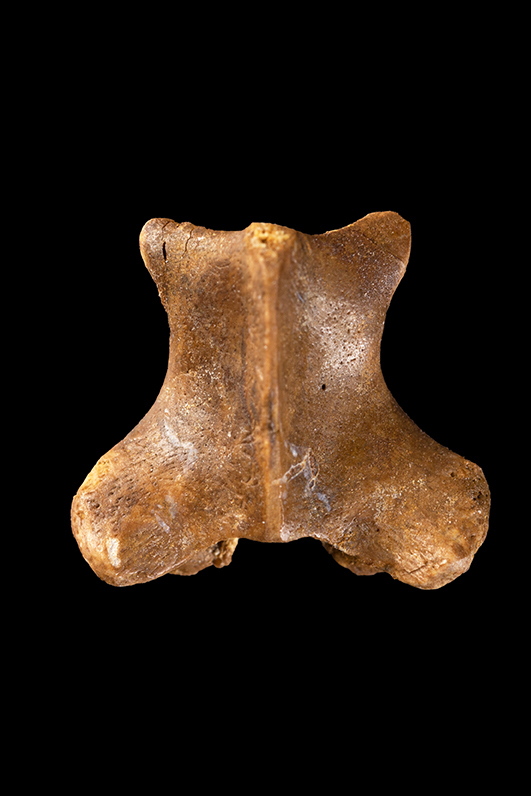
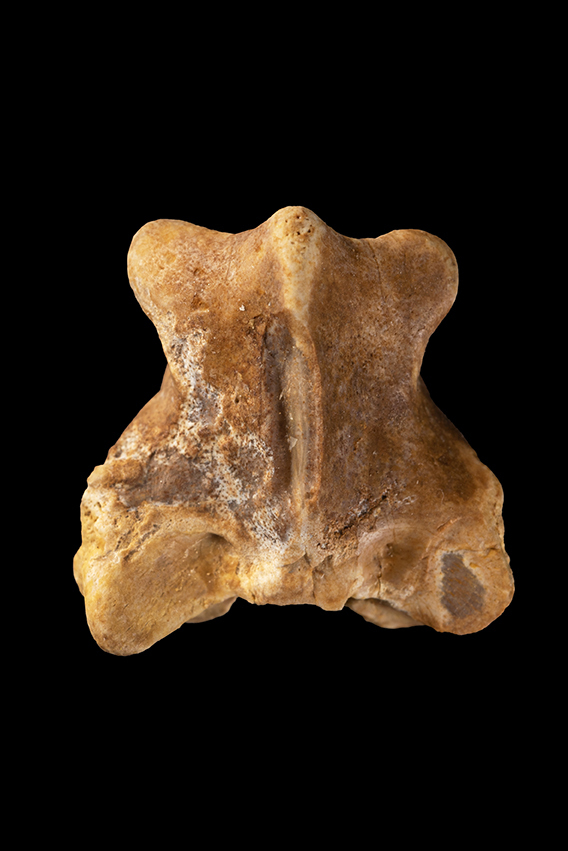 5- Carentonosaurus mineaui
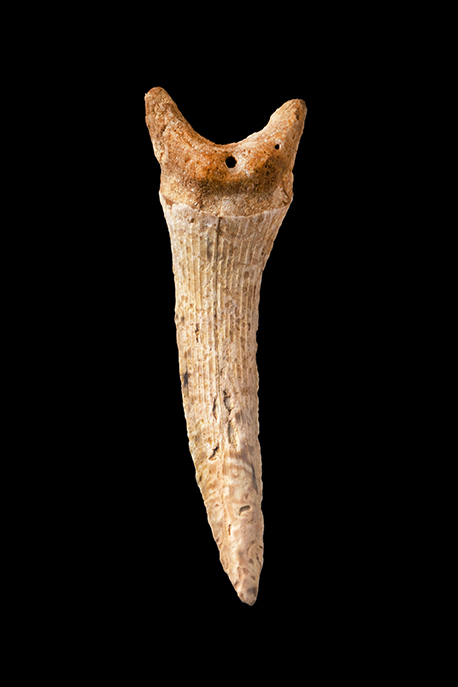
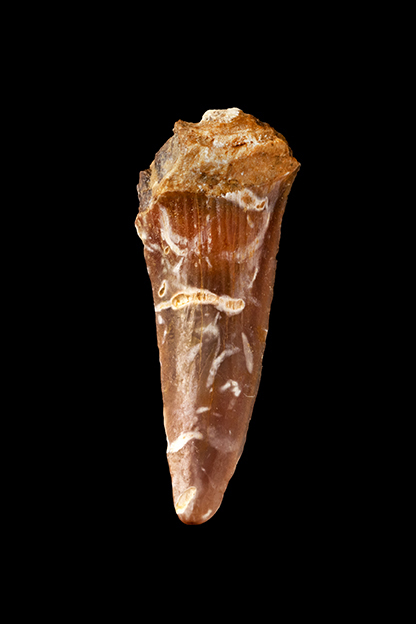
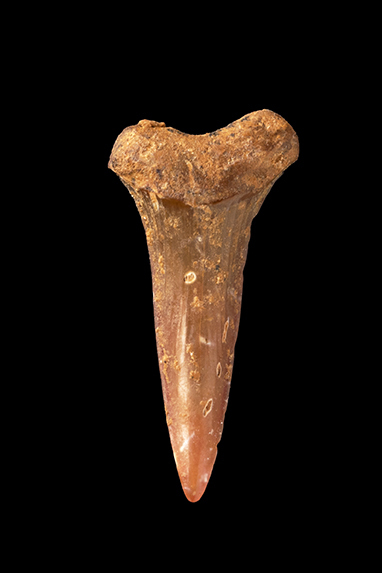 6- Fossil shark teeth
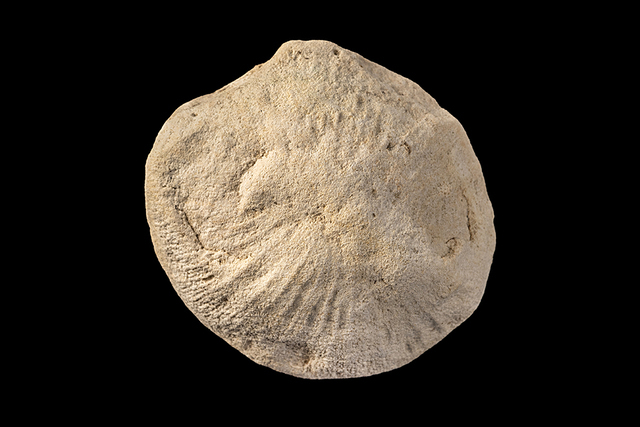
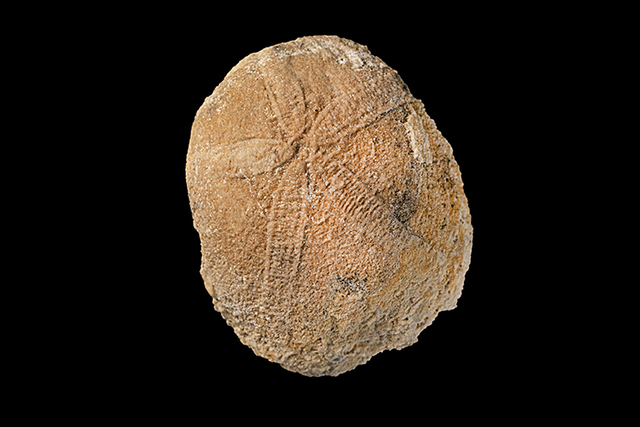 7- Echinid shell (sea urchin)